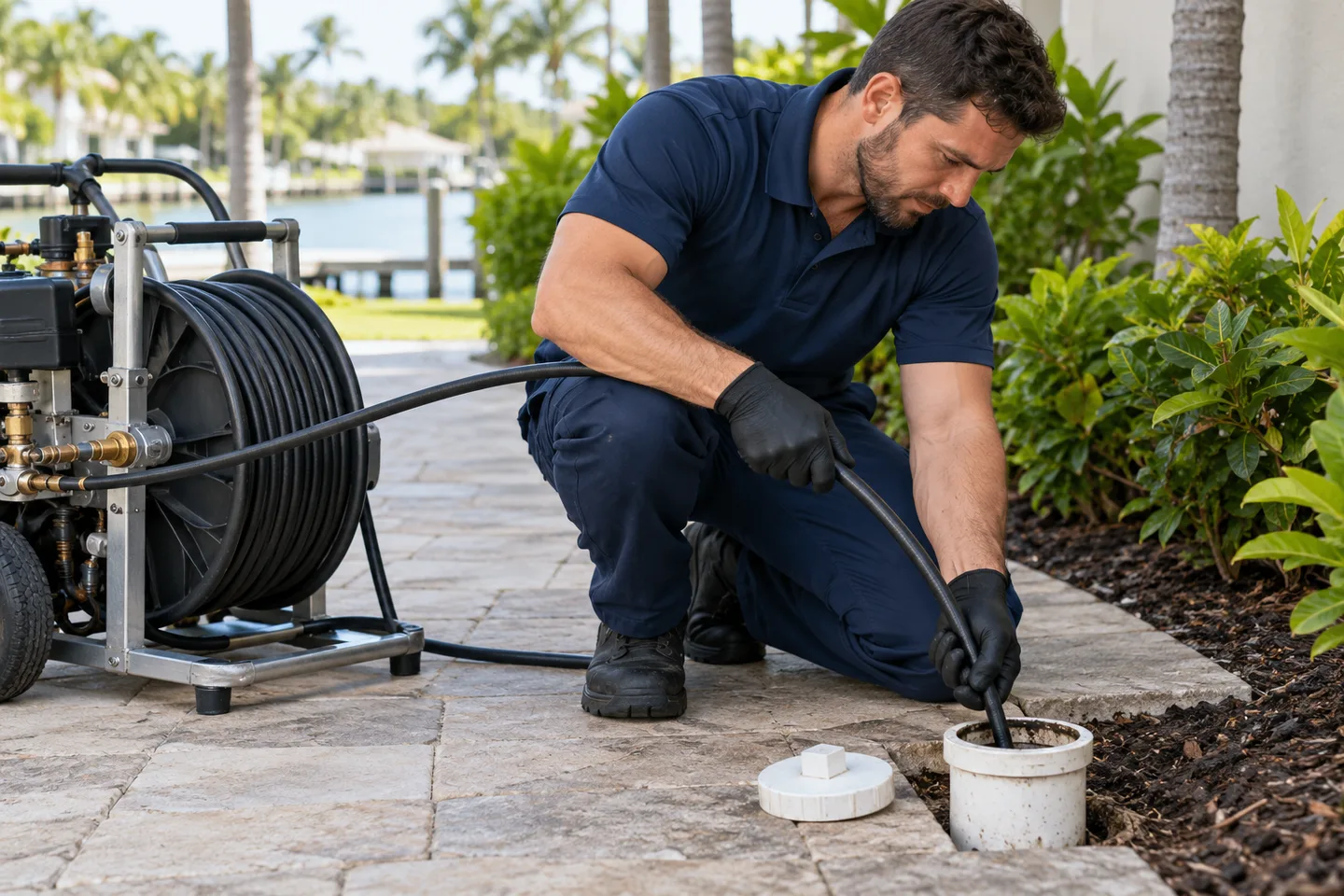
FOCUSED ON YOUR DRAIN
Separate a blocked inlet from a wider drainage issue
Leaves, litter and sediment can restrict a private inlet or catch basin, while a downstream blockage can limit an otherwise clear grate. Ponding can also involve grading, outlet conditions or system capacity. Cleaning removes appropriate accessible material; it does not redesign drainage or guarantee a flood-free property during every storm.
When to call about this service
- Water remains around a private inlet after surrounding areas drain
- Leaves or sediment repeatedly obstruct a catch basin
- A private parking or courtyard drain accepts water slowly
- Water enters an inlet but drainage remains restricted downstream
What the symptoms can mean
These patterns help frame the service conversation. The provider confirms the affected line and a suitable approach after assessment.
| Situation | What needs attention |
|---|---|
| Debris covers the private grate while nearby areas drain | Assess accessible inlet material and the catch-basin condition. Surface clearing may address the obstruction, but sediment below the grate can need its own removal. Do not enter the structure or lift an unsafe cover. |
| The inlet is open but water moves through it poorly | Review the connected line and outlet before selecting cleaning. A downstream obstruction, damaged pipe or restricted discharge can produce similar ponding; sending more water into an unknown route is not a complete assessment. |
| Ponding continues after accessible debris is removed | Consider grading, outlet condition and system capacity as well as hidden obstruction. Cleaning cannot enlarge or redesign drainage. Ask the independent provider to distinguish remaining cleanable material from conditions requiring a separate drainage assessment. |
Identify the private system and its boundaries
Identify whether the drain serves a private driveway, parking lot, courtyard or common property and where its outlet is expected to discharge. Existing drainage plans and maintenance findings can help distinguish a catch basin from a simple grated inlet and identify the connected route. A private surface opening may connect beyond the owner’s boundary, so ownership and permission need assessment before an independent provider defines its proposed cleaning scope.
Public street drains, utility structures and municipal stormwater assets are not automatically part of a private cleaning scope. Report suspected public-system problems to the responsible authority. Do not open public manholes, remove heavy grates or enter a catch basin. Confined spaces can present serious hazards even when they look shallow or appear to contain only rainwater.
Remove debris without spreading the problem
The appropriate method depends on what has accumulated, the line arrangement and the ability to collect removed material. Clearing a surface grate alone may not address sediment within the basin or pipe. Conversely, sending water into a blocked or unknown outlet can leave the underlying problem unresolved. Pipe condition and a controlled discharge route must be considered before any suitable jetting is discussed.
Stormwater systems may discharge to local waters without the treatment associated with a sanitary sewer. Debris, oils, chemicals and removed sediment should therefore be contained and handled appropriately rather than pushed farther through the system. Tell the independent provider about suspected contaminated material or unusual site runoff. Specialized waste handling, excavation or system repair must be separately identified if needed.
Make maintenance reflect the site
Observe where leaves and sediment accumulate and whether nearby landscaping or vehicle traffic contributes material. Keep accessible surface areas clear without lifting unsafe covers or entering structures. A site with repeated accumulation may need a maintenance schedule based on findings and seasonal exposure. Record when cleaning occurred and whether ponding patterns changed afterward so repeat work has a useful starting point.
If accessible material is removed but water still ponds, review whether the outlet is restricted, the pipe is damaged or the site has a capacity or grading issue. These conditions need different responses from cleaning a grate. Observe which areas drain and how long standing water persists after rainfall, without entering structures or lifting heavy covers. The provider should explain what cleaning can address and when a separate drainage or structural assessment is appropriate.
Find the service that fits the symptoms
clogged drain cleaning, hydro jetting or commercial drain cleaning may be relevant if the blockage affects a different part of the system. For an overview, visit drain cleaning in Fort Pierce.
RELATED DRAIN GUIDES